

Why Uniforms Matter
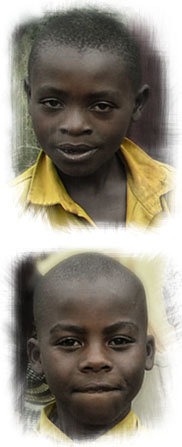
In Rwanda, every student is expected to wear a uniform to school. But for Rwanda's street students, purchasing a uniform is something that is completely beyond their reach. Without uniforms, Rwanda's street children can easily be perceived as troublemakers or criminals and be taken to jail while walking to school or searching for food at lunch time.
Providing a child with a uniform not only establishes them as students in their community but restores their dignity and provides an opportunity for a safer and more stable future. Furthermore, purchasing a uniform also impacts the young adult in a vocational training program who sews the uniform. A job opportunity like this is significant because though the majority of Rwandans survive off of subsistence farming, these young adults are able to earn fair wages and be contributors in their communities. These individuals make up the small 6% of the population that are formally employed.
Why Rwanda?
The 1994 genocide of the Tutsi minority by Hutu Extremists devastated Rwanda, with nearly one million people brutally murdered and hundreds of thousands of children orphaned and left to fend for themselves. Two factors that contributed towards the racial hatred and violence fueling this tragedy were the lack of education and job opportunities. At the time, Hutu Extremists capitalized on the vulnerability of uneducated and unemployed youth, drawing them to participate in the mobilization of mass killings.
Though the genocide was seventeen years ago, Rwanda is still in dire need of healing and restoration. The physical scars on the bodies of genocide victims have healed, but the social, psychological and economic wounds are still fresh. Education and employment are two significant means to help heal these wounds and are the life lines for young Rwandans trying to break the cycle of poverty and establish peace.